
Introduction
Throughout history, symbols have served as bridges between the visible and the invisible. Among the most enduring symbols in esoteric traditions are the Serpent and the Labyrinth. Far from mere decorations, these ancient images were seen as maps of consciousness, transformation, and spiritual awakening. Within Gnostic thought, they represent the journey inward—the path toward direct knowledge of truth.
The Wisdom of the Serpent
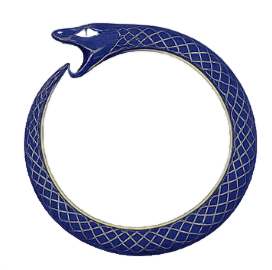
The serpent has long been associated with wisdom, renewal, and hidden knowledge. One of its most powerful forms is the Ouroboros—a serpent consuming its own tail, symbolizing eternity, transformation, and the endless cycles of existence.
For Gnostic seekers, the serpent represents the awakening of inner wisdom. It reminds us that growth is not linear; every ending contains the seed of a new beginning. Through self-discovery and transformation, deeper understanding emerges.
The Labyrinth and the Path to Gnosis
Unlike a maze, a labyrinth contains a single path leading to its center. Ancient traditions viewed it as a symbol of the soul’s journey toward enlightenment. The winding path reflects life’s challenges, distractions, and lessons, while the center represents direct experience of truth.
Together, the serpent and labyrinth reveal a profound message: wisdom alone is not enough—one must walk the path. In Gnostic philosophy, true understanding comes not through belief, but through experience. The labyrinth is the journey, and the serpent is the wisdom gained along the way.
“The path you seek has always existed within you. The labyrinth is your life, and the serpent is your awakening consciousness.” At must awaken. The other reveals how the awakening occurs. Ancient initiatory traditions often taught that true knowledge cannot be given—it must be experienced. Reading sacred texts may provide guidance, but direct experience remains the ultimate teacher. The serpent offers insight. The labyrinth demands the journey.